Comprehensive Plumbing Services to Resolve All Your Issues
Comprehensive plumbing solutions encompass a range of options customized to address both small and major problems. From water leaks to complex repairs, skilled professionals can effectively tackle these difficulties. Routine upkeep plays an essential part in extending the lifespan of plumbing infrastructure. However, many homeowners stay uncertain about when to obtain professional help. Understanding these nuances can greatly affect the efficiency and safety of one's home environment. What considerations should one consider before taking that decision?
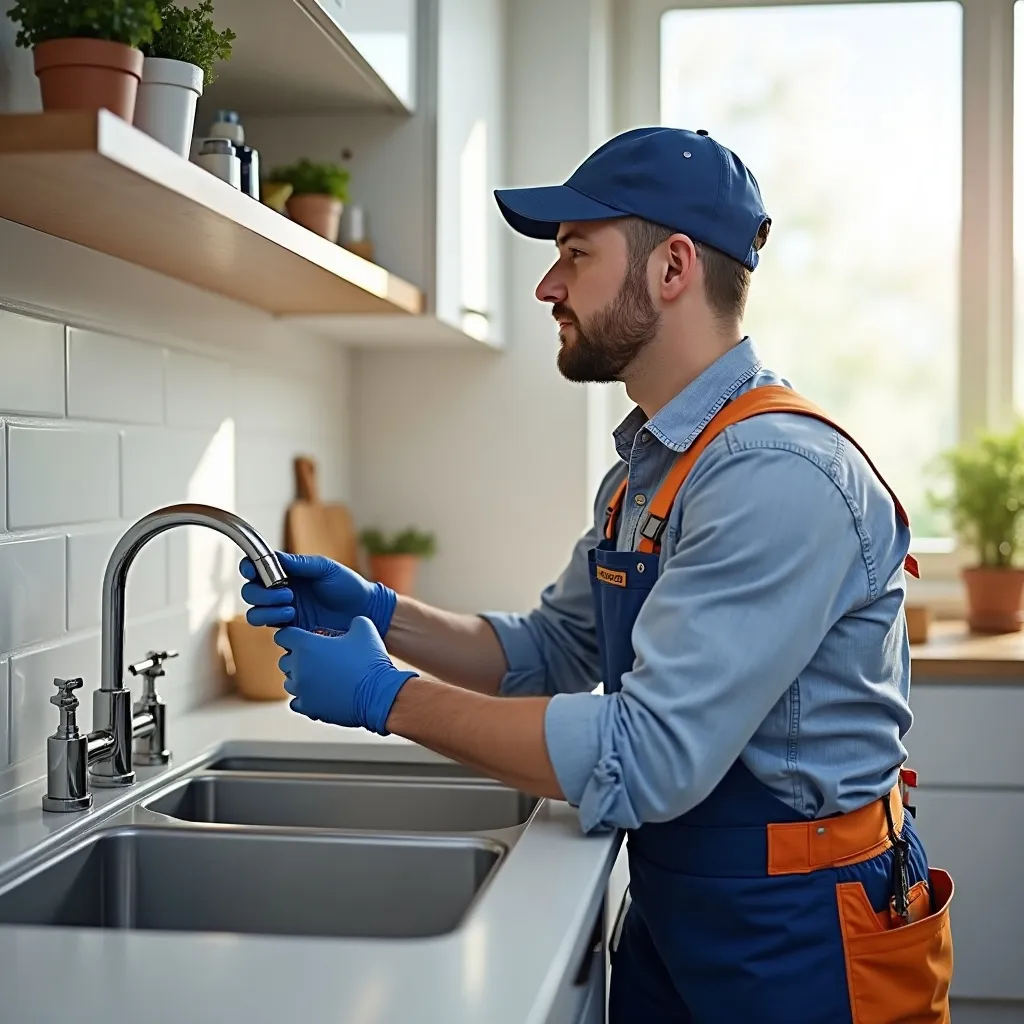
Spotting Regular Plumbing Concerns and Fixes
Identifying common plumbing issues requires a keen eye and an understanding of typical household problems. Homeowners often experience leaks, clogs, and low water pressure. Leaking faucets and pipes can result in liquid damage and increased utility bills, while blocked drains can stem from buildup of debris, grease, or foreign objects. Reduced water flow may arise from mineral deposits in pipes or issues with the municipal supply.
To handle these challenges, prompt intervention is vital. For water seepage, homeowners should check fittings and seals, adjusting or replacing as required. Unclogging drains may involve using a plunger, drain snake, or a blend of baking soda and vinegar. Reduced water flow can sometimes be remedied by cleaning faucet aerators or contacting professional assistance for more complicated issues. Recognizing these standard plumbing challenges allows homeowners to execute timely solutions and copyright a functional plumbing system.
Why Regular Plumbing Upkeep Is Critical
Consistent plumbing care is required for homeowners determined to prevent expensive emergencies. By resolving minor issues before they escalate, households can markedly extend the durability of their plumbing systems. This preventive approach not only conserves money but also warrants trustworthy performance over time.
Avoid Expensive Urgent Situations
Proactive plumbing maintenance can protect homeowners from unforeseen emergencies and costly repairs. Frequent check-ups allow for the timely identification of possible problems such as leaks, blockages, and rust damage. By addressing these issues before they escalate, homeowners can prevent urgent crises that may lead to significant water harm and expensive restoration costs. Regular upkeep also ensures that parts like pipes and fixtures operate smoothly, reducing the likelihood of abrupt breakdowns. Additionally, scheduled check-ups can help identify wear and tear that might go unnoticed, allowing for prompt actions. Ultimately, putting money in regular plumbing maintenance is a smart choice that promotes peace of mind and protects the home against plumbing emergencies.
Boost System Longevity
Keeping your plumbing setup in proper working order is important for boosting its operational lifespan and sustaining optimal function. Regular servicing helps spot and address emerging issues before they become worse, reducing degradation on plumbing components, fittings, and devices. Periodic inspections can spot seepage, rust accumulation, and drainage issues, permitting quick fixes that circumvent pricey complications. In addition, preserving correct water pressure and condition supports the permanence of the plumbing infrastructure. Residents who allocate funds toward regular servicing can strengthen their operational efficiency, causing decreased utility expenses. All things considered, preventive measures not only secures the plumbing infrastructure but also fosters a safer living space, rendering routine upkeep a sensible and vital obligation.
How to Prevent Typical Plumbing Troubles With Consistent Upkeep
Quality pipe maintenance is essential for reducing the risk of everyday problems such as leaks, clogs, and deterioration of pipes. Periodic evaluations of pipes, faucets, and fixtures can assist in finding potential issues before they escalate. Homeowners should periodically check for moisture marks and dampness, as these may show underlying leaks. Additionally, flushing drains monthly with a mixture of vinegar and baking soda can prevent accumulation and blockages.
Proper removal of items, such as grease and non-biodegradable substances, is essential to preserving clear pipes. Moreover, protecting exposed pipes can protect them from icing and bursting during colder months. Regularly monitoring water pressure and temperature can also extend the life of plumbing systems. By adopting these proactive measures, individuals can greatly reduce the likelihood of plumbing emergencies, ensuring a more efficient and reliable system.
Why Using Professional Plumbers Cuts You Hours and Money
Hiring qualified plumbers provides key advantages that will ultimately save both time and money. Their expertise minimizes the risk of costly mistakes during repairs or installations. Moreover, investing in skilled services commonly leads to long-term cost savings through efficient and durable solutions.
Expertise cuts down on Blunders
Engaging a skilled plumbing expert can significantly diminish the likelihood of costly errors in plumbing projects. Their expertise and background provide them with the knowledge to identify and address problems that may be missed by amateurs. From choosing the right supplies to using proper methods, professionals guarantee that the work is done right the first time. This expertise minimizes the risk of harm, such as water seepage or water pressure problems, which can result from improper installations. Additionally, experienced professionals stay updated on the latest codes and regulations, ensuring adherence and further reducing the likelihood of future complications. By investing in professional services, property owners both save time and reduce the annoyances and costs connected to inexperienced errors.
Long-Range Monetary Savings
Professional pipefitting services not only minimize mistakes but also add meaningful long-term cost savings for homeowners. By hiring experienced plumbers, individuals can avoid costly repairs resulting from DIY errors. Professionals have the essential tools and know-how to accurately diagnose issues and apply effective solutions, stopping recurring issues common in amateur efforts. Additionally, licensed plumbers often have access to high-quality materials at better prices, ensuring durability and efficiency. This forward-thinking method decreases the chance of emergencies, which can be costly. Over time, spending on professional plumbing pays dividends via decreased utility expenses and higher property worth, giving homeowners peace of mind and savings.
When Should You Handle It Yourself vs. Hire a Professional?
When dealing with plumbing problems, how does one determine whether to tackle the problem on your own or seek expert help? The decision often depends on the severity and complexity of the situation. Minor issues, such as a clogged sink or a dripping tap, may be manageable for those with simple equipment and a little know-how. However, more explore the details serious problems, like significant leaks or extensive pipe damage, typically require professional intervention due to the potential for further complications.
In addition, people should assess their own ability level and experience. If uncertainty remains about how to take action, summoning a professional can eliminate high-cost blunders. Protection is another essential concern; any work pertaining to gas lines or electricity should always be left to trained experts. All things considered, comparing the potential risks and financial burden against personal capability can guide homeowners in making the right choice between DIY efforts and contracting a plumbing professional.
Finding the Correct Plumbing Service for Your Requirements
Choosing the appropriate plumbing company can be difficult, especially since multiple factors affect the decision. Property owners should first evaluate their particular requirements, whether it involves routine maintenance, urgent fixes, or installation services. Investigating potential companies is essential; reviewing online reviews, testimonials, and qualifications can provide information into their dependability and craftsmanship.
Also, obtaining multiple quotes can assist in determining fair pricing. It is critical to inquire into guarantees and protection plans on services provided, as this conveys the enterprise's confidence in their work. Licensing and insurance are mandatory; reputable plumbers will maintain the required permits to operate legally and shield homeowners from risk.
Finally, assess the company's availability and responsiveness, crucially in unexpected situations. A credible plumbing business should be accessible and ready to address critical problems without delay, ensuring reassurance for the homeowner. By analyzing these criteria, individuals can make informed decisions aligned with their plumbing situations.
Regular Inquiries Asked Regularly
What Are the Warning Signs of a Concealed Plumbing Leak?
Indicators of a hidden plumbing leak consist of unusual water charges, damp spots on walls or ceilings, mold growth, a consistent moldy smell, water pooling in unusual locations, and a reduction in water flow across the house.
How Do I Find My Main Water Shutoff Valve?
To locate the main water shut-off valve, one should look near the outer edge of the house, often in basements, crawl spaces, or garages. It generally appears like a round or lever-type valve on a water line.
What Ought to I Do in a Plumbing Disaster?
In a plumbing crisis, one should first turn off the main water supply, evaluate the problem, and contain any leaks. If necessary, contacting a professional plumber promptly is advisable to avoid additional damage.
Are environmentally conscious plumbing alternatives accessible?
Yes, sustainable water solutions are available. These feature water-efficient devices, demand-type water heaters, and renewable components. Such decisions not only reduce water usage but also support efficient energy use, assisting both the environment and homeowners' utility bills.
How Often Should I Inspect My Plumbing System?
Inspecting a plumbing system should occur at least once a year. Routine inspections help identify water escapes, rust, or blockages early, avoiding costly repairs and guaranteeing the system functions smoothly. Property owners often benefit from expert evaluations every few years.